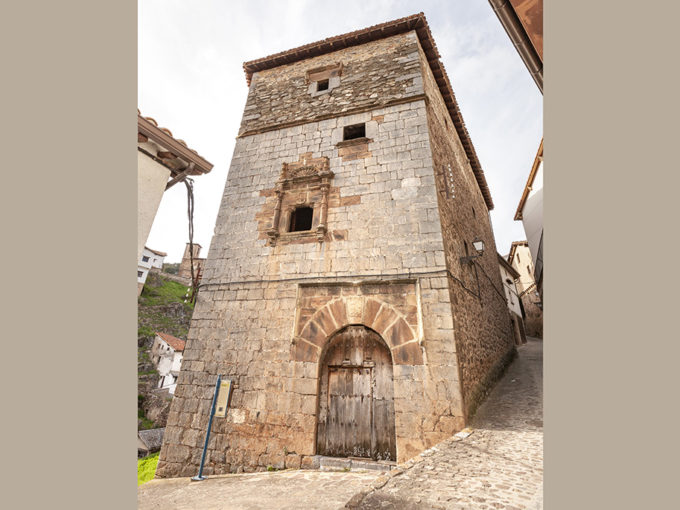
12 · The Big House
It is a building full of legends and spectacular presence, which is among the most interesting civil buildings in the town

En uno de sus valles recorrido por el río Iregua, está el Camero Nuevo, tierra de bosques, pastizales, cumbres y pequeños valles, donde se sitúan 13 pueblos con historia, tradiciones y leyendas, que siglos atrás se agruparon bajo la denominación de Hermandad de las 13 Villas.
It is a building full of legends and spectacular presence, which is among the most interesting civil buildings in the town
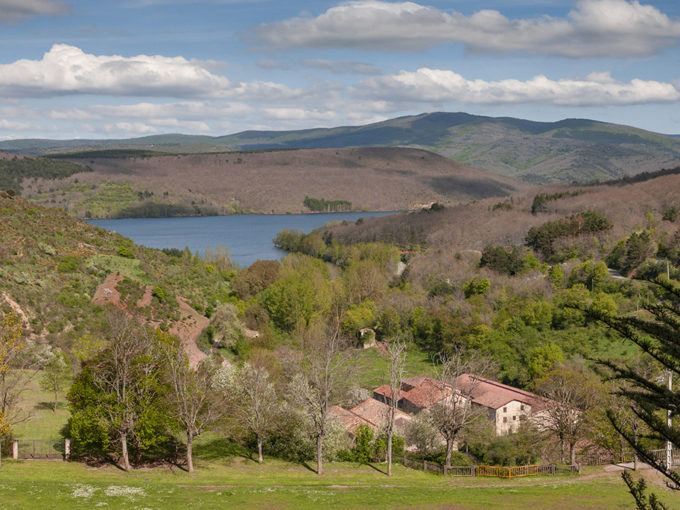
The old project of storing the waters of the Iregua is fulfilled as of 1932, year in which the first stone of this reservoir is placed
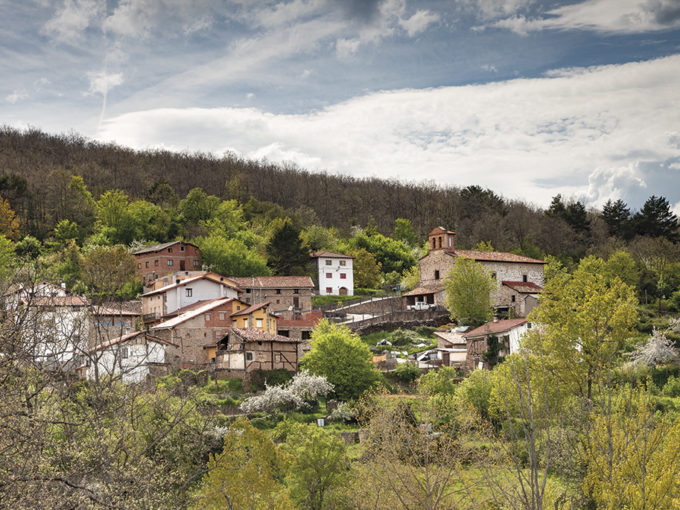
It is a beautiful and peaceful place on the reservoir that covered its vegetable gardens in the past
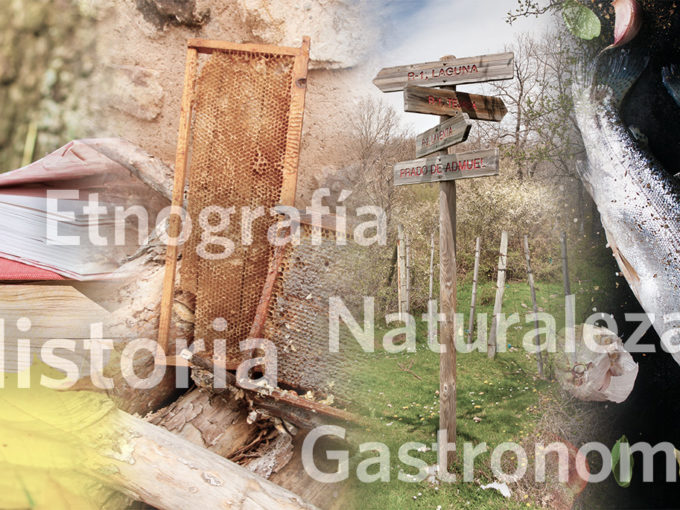
In the XVIII century, Ortigosa with its villages owned 40.000 head of transhumant sheep
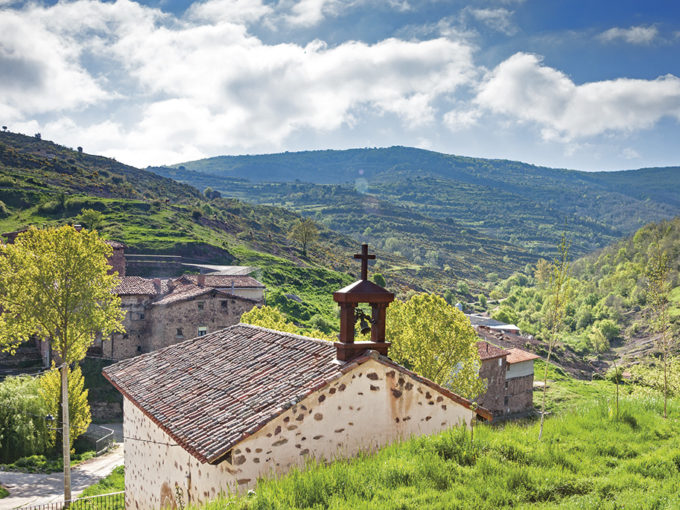
Inside the town centre, the chapel devoted to the Saint Christ serves as a parish church during all the year, except during the festivities of the Patron
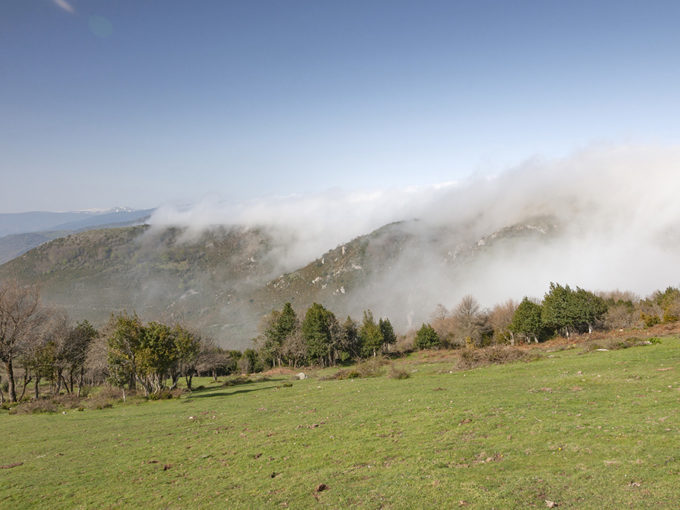
The summit separating the New Cameros from the Najerilla Valley is called “Serradero”. Tradition relates this name with Serra de Bero
From medieval times, the existence of a monastery within the mountain (devoted to Nª Sra. de Castejón) is mentioned
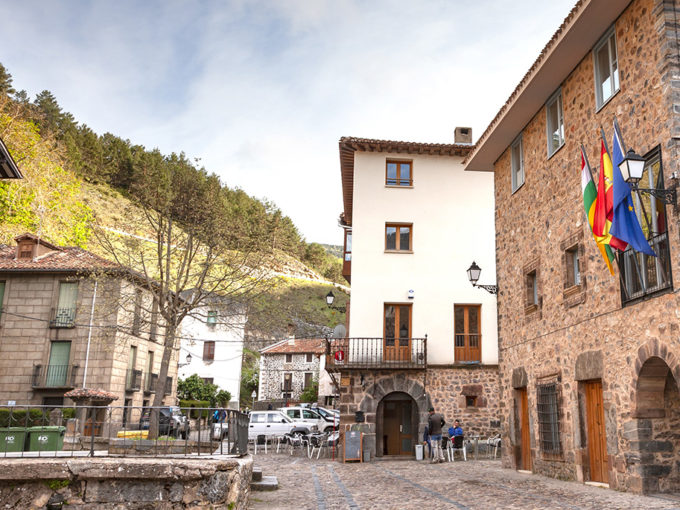
The Tertulia Ortigosana (Ortigosana gathering), association of different residents, commanded by the illustrious son of the village, Mr Gabriel de la Riva
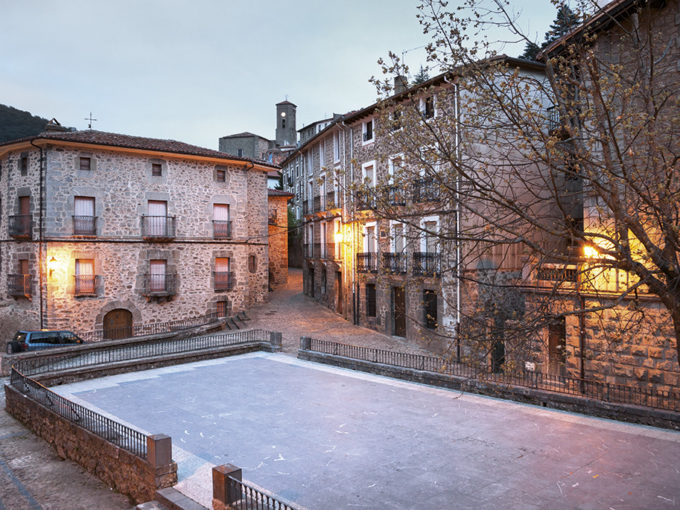
On the covered course of the Albercos River, work accomplished by the Ortigosana Union in 1890, is the centre of the village
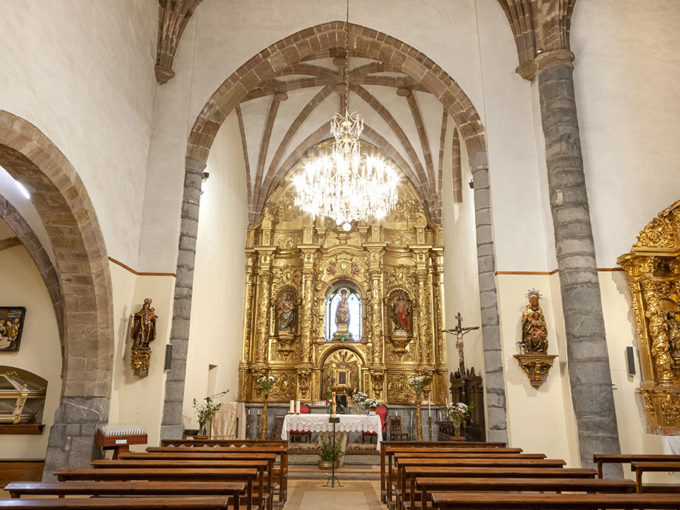
This temple, divided into two naves with three sections, was built in the XVI century. Its altarpiece is devoted to Saint Martin
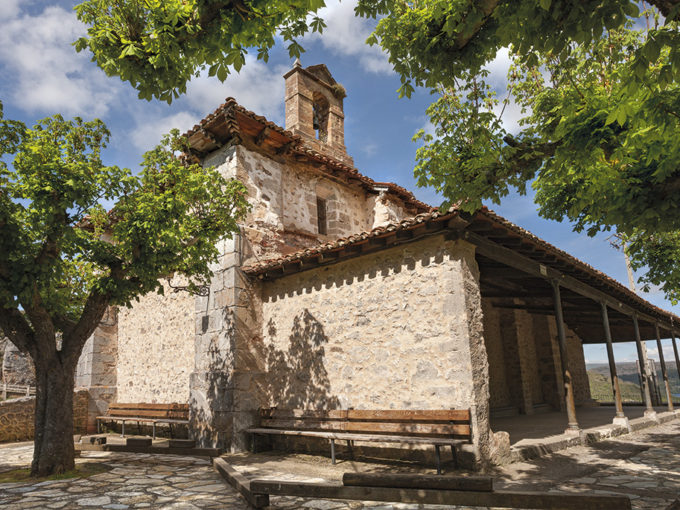
Just after arriving in Ortigosa and built on the ravine, we find the chapel devoted to Saint Lucía. It was also renovated and enclosed
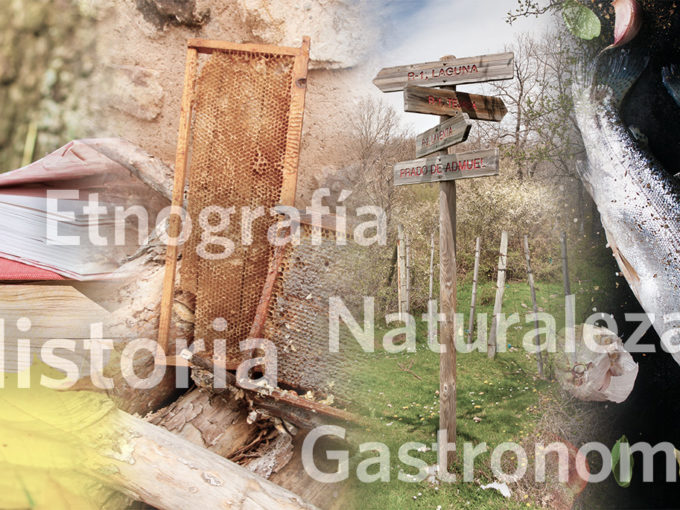
Although Puerta de Cameros is Viguera, the first village of Highland typology is Nestares, located on a sunny slope and far from the humidity of the Iregua Rive
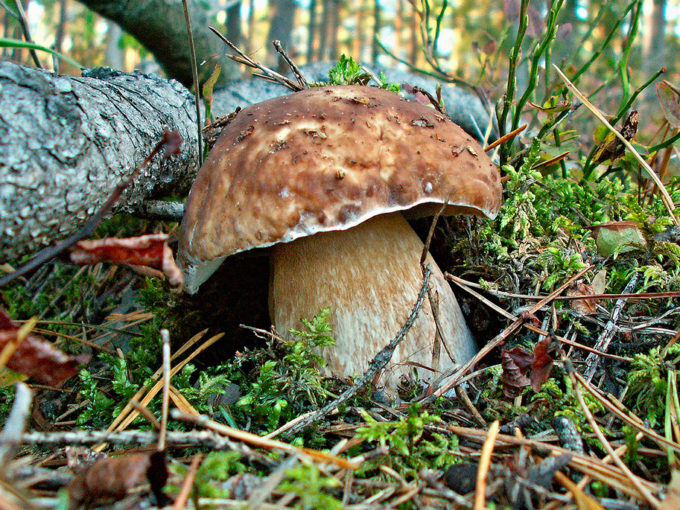
The mushroom tradition has been very important in Cameros Nuevo (New Cameros). Nowadays, many municipalities regulate its collection
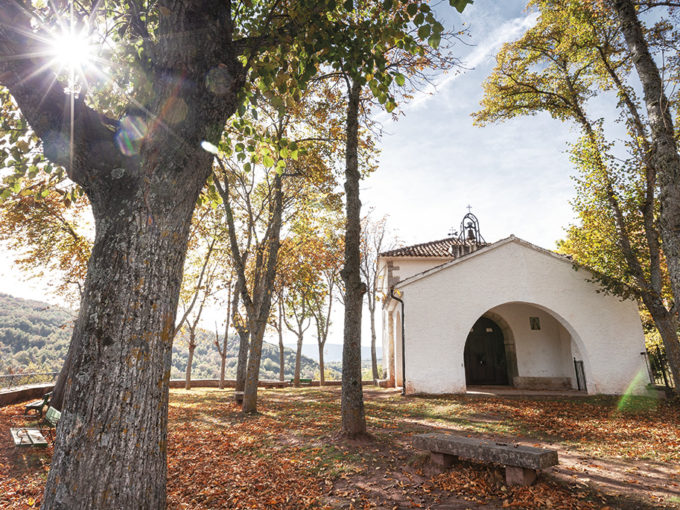
From the Schools, a promenade marked by chestnut trees is opened along a wall with a terraced seat and protected by a wrought iron fence
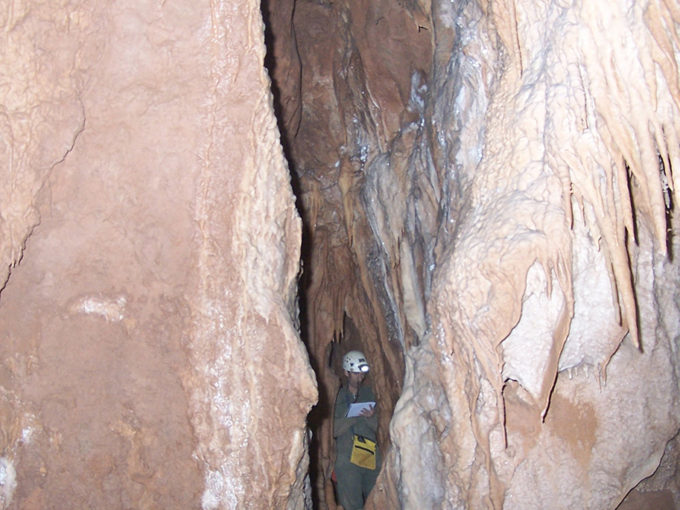
On the Iregua River, next to the N 111 road, is the Peñamiel Cave, one of the first excavated in Spain, thanks to the work