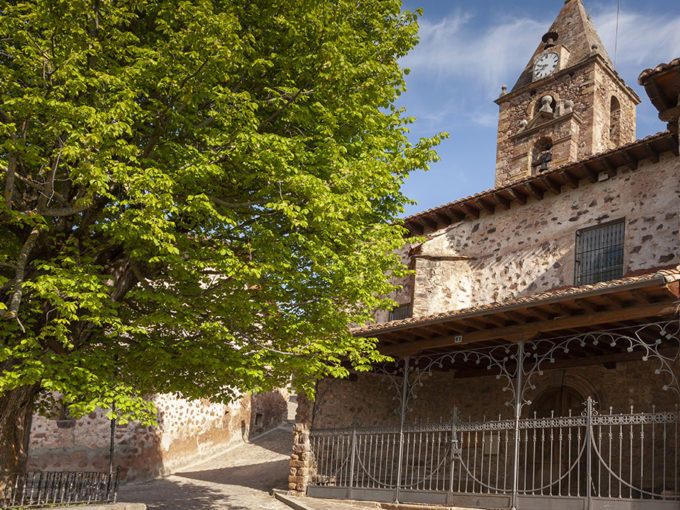
1 · The church
In this building we can see the last reminiscences of the Gothic style and the continuity of the construction throughout the XVI and XVII centuries

En uno de sus valles recorrido por el río Iregua, está el Camero Nuevo, tierra de bosques, pastizales, cumbres y pequeños valles, donde se sitúan 13 pueblos con historia, tradiciones y leyendas, que siglos atrás se agruparon bajo la denominación de Hermandad de las 13 Villas.
In this building we can see the last reminiscences of the Gothic style and the continuity of the construction throughout the XVI and XVII centuries
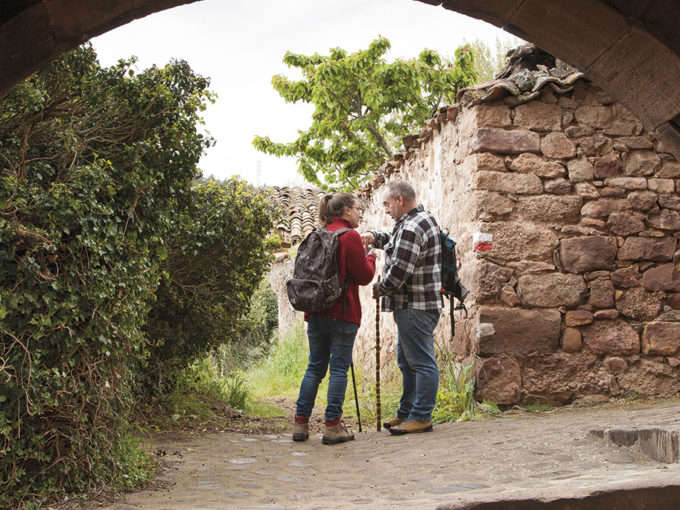
A proposal, for those who enjoy trekking, is to walk along this Long Distance Trail, which gives us the opportunity to get to know the region of the Iregua…
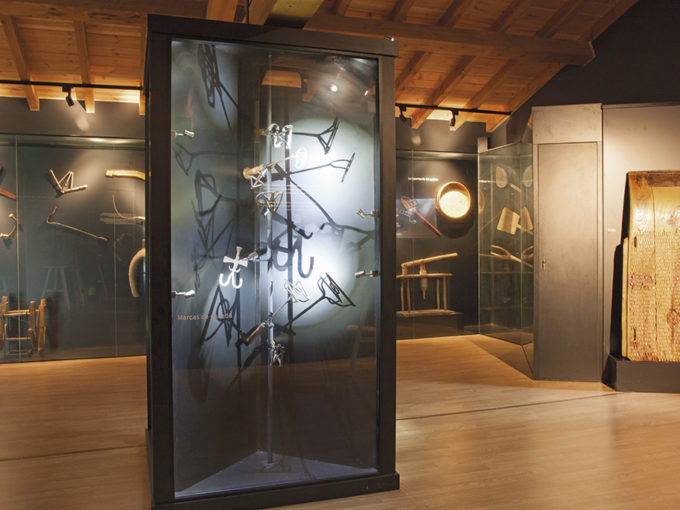
In the past, this space was occupied by a prestigious school built in 1869 by a private individual, Mr. José Sáenz Navarrete
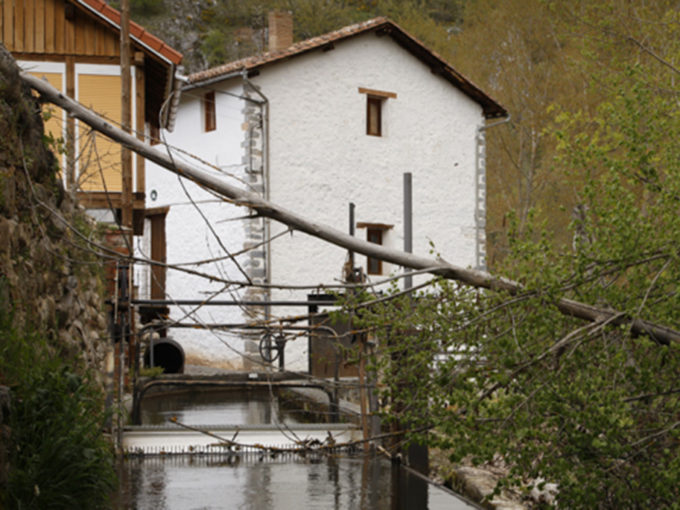
In the current Rural House there was an old flour mill that still keeps all its milling machinery
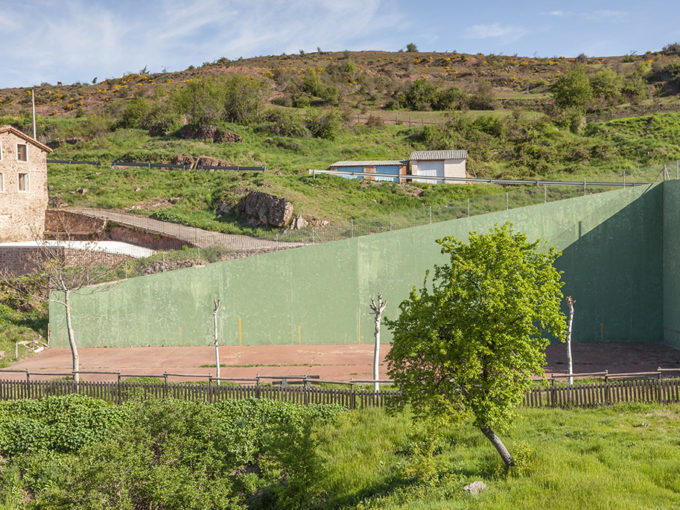
An impressive pelota court, used in the summer days by young vacationers, stands out in this small population village
In the long winters, the inhabitants of these small Camerano villages used to meet in the kitchens or even in the yards
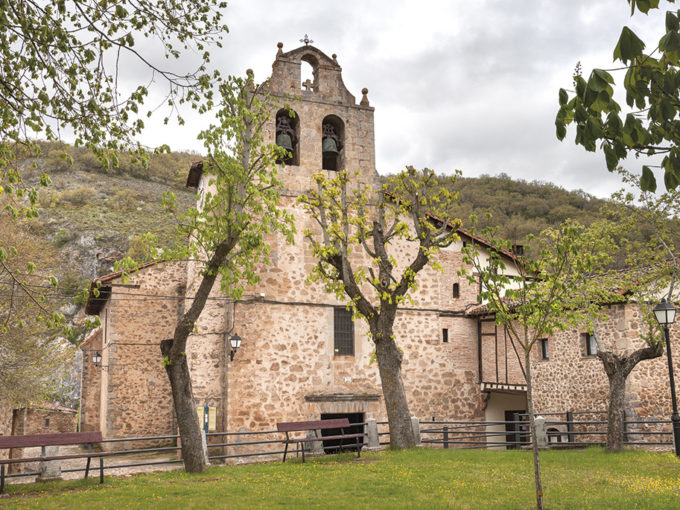
The church is located in a garden area where the public and social activities of the place are carried out
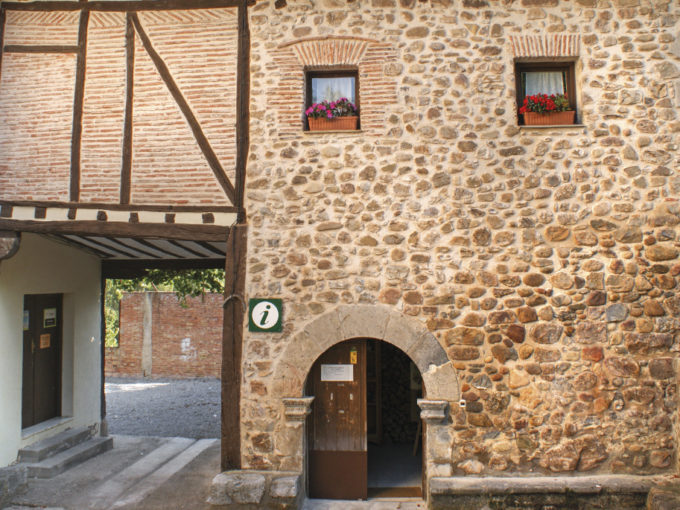
It is a building attached to the temple, used to collect the tithes that the locals paid to their parish
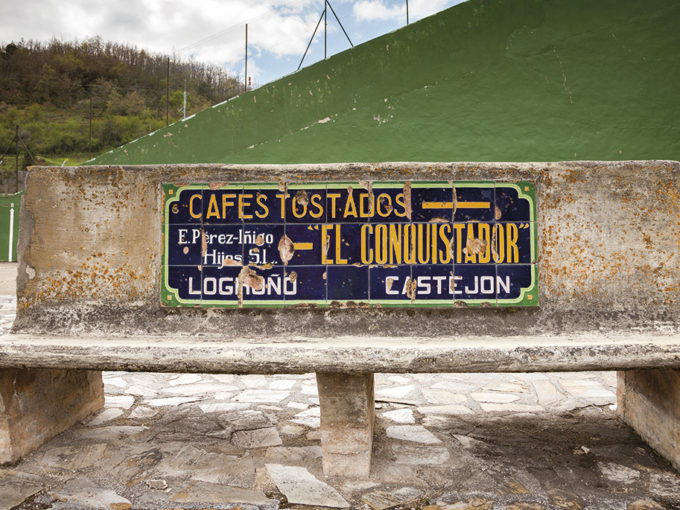
This place of rest and leisure is grouped together with the church, the road and the pelota court
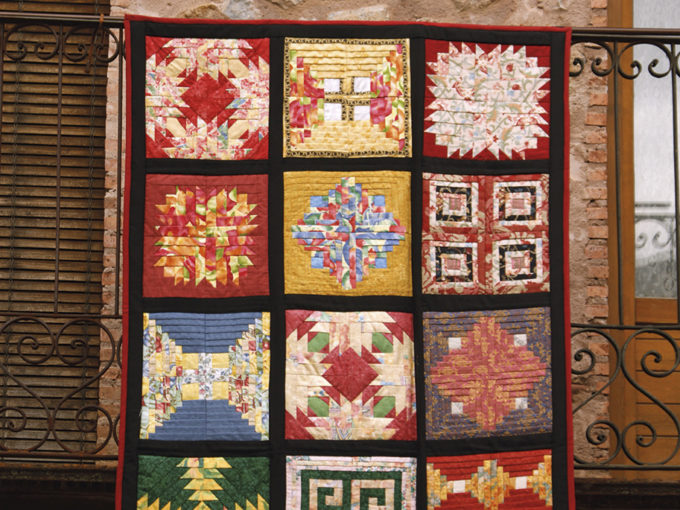
Every year, during the month of August, colourful textile tapestries, called “almazuelas” are hung on the balconies and windows
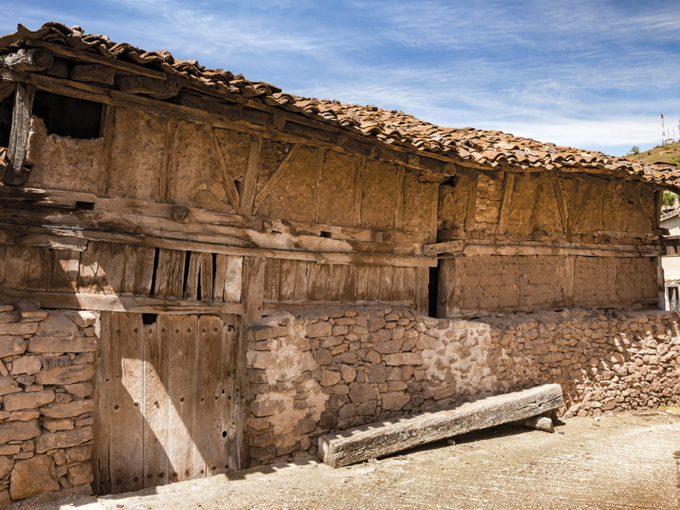
Pinillos, due to its isolation and depopulation, has retained the traditional architecture of the Cameros Nuevo (New Cameros), combining constructions
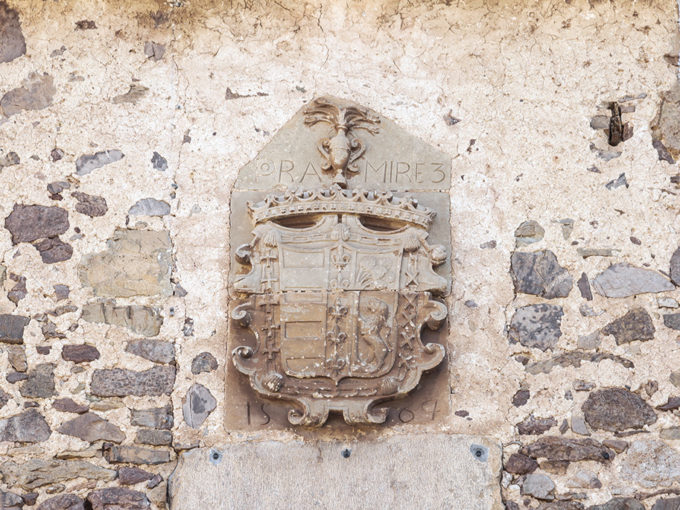
The legend affirms that the Solares are a concession of territories that were made to the descendants of those who took part in the Battle of Clavijo
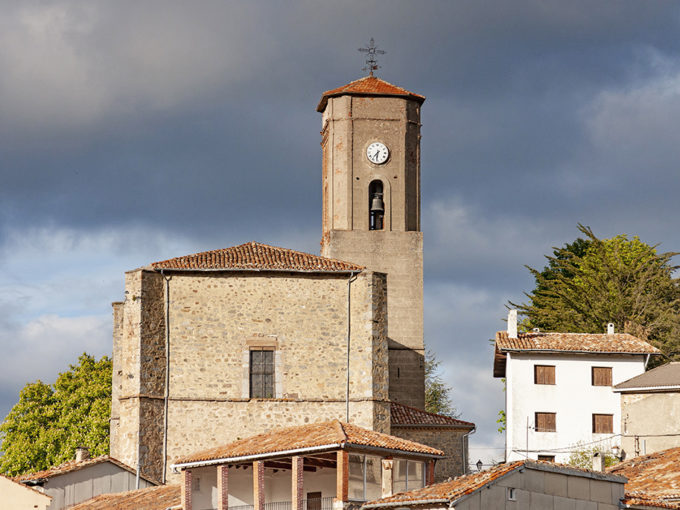
This mid-XVI century building, devoted to Saint Michael (who is venerated on the main altar of the temple) was is located in the Barrio de Abajo
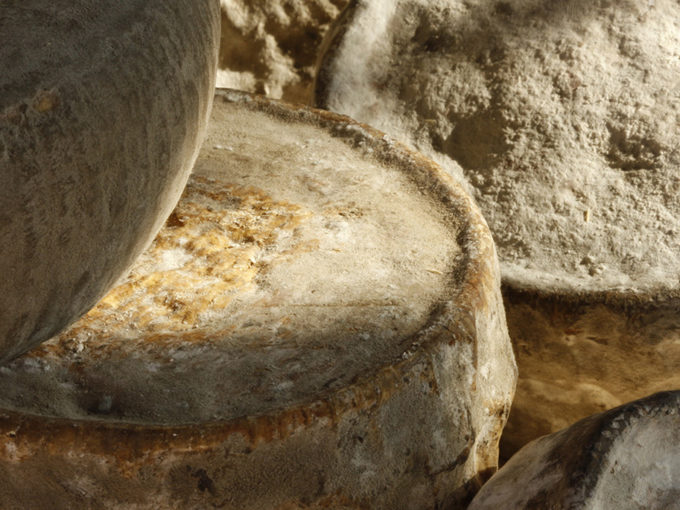
La tradición quesera de la sierra se continúa en Ortigosa con una instalación artesanal, que elabora queso
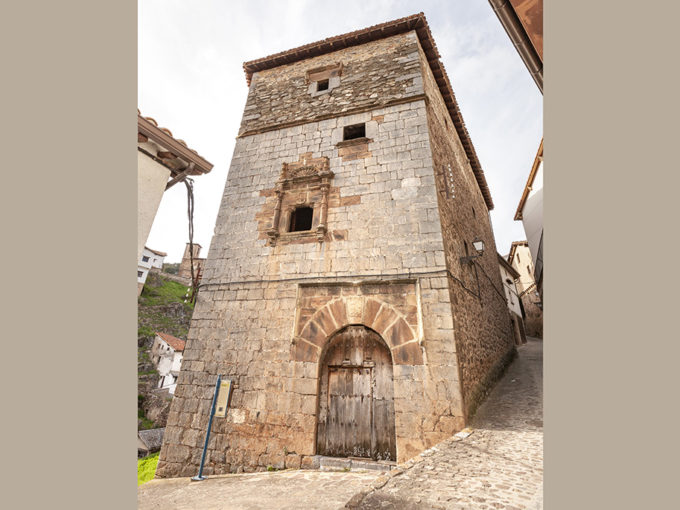
It is a building full of legends and spectacular presence, which is among the most interesting civil buildings in the town