Featured
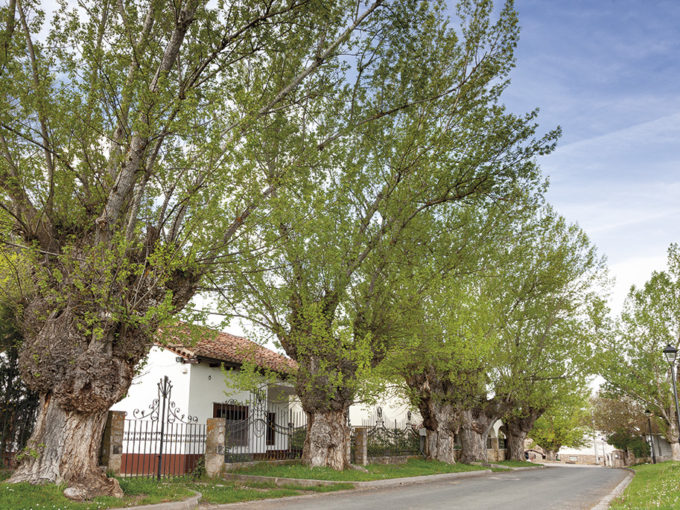
10 · Montemediano
This small spot located on the González Lacasa Reservoir is the village of Nieva. It has beautiful samples of traditional Camerano architecture

En uno de sus valles recorrido por el río Iregua, está el Camero Nuevo, tierra de bosques, pastizales, cumbres y pequeños valles, donde se sitúan 13 pueblos con historia, tradiciones y leyendas, que siglos atrás se agruparon bajo la denominación de Hermandad de las 13 Villas.
This small spot located on the González Lacasa Reservoir is the village of Nieva. It has beautiful samples of traditional Camerano architecture
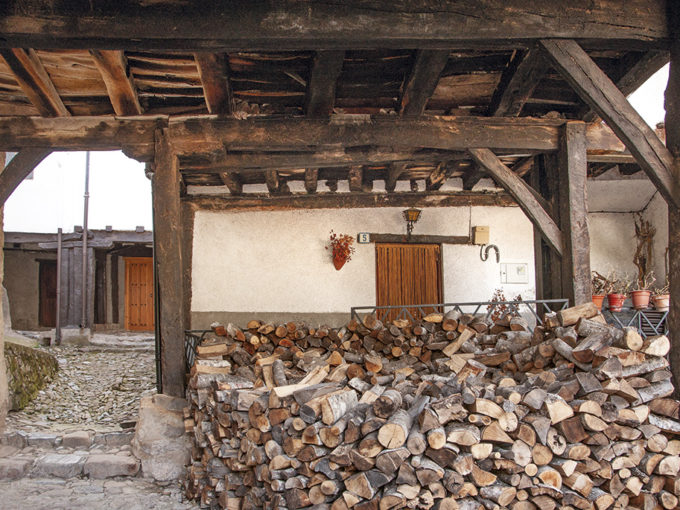
Portales (Arcades) Street owes its name to the constructions that protected the pedestrians, were winter meeting spaces and also provided shade during the summer
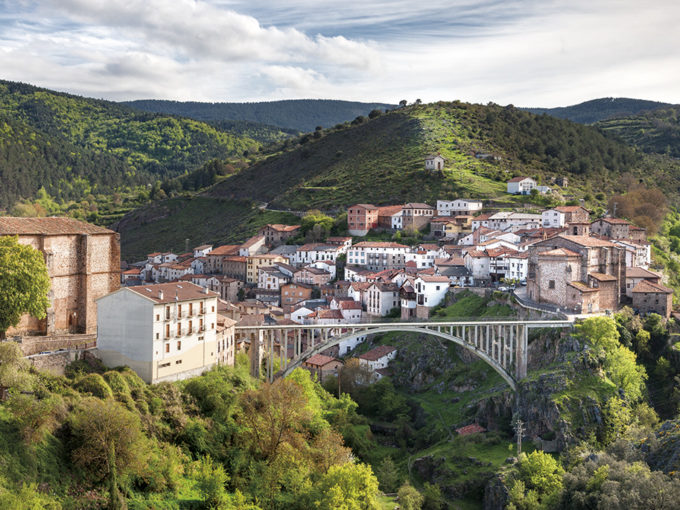
Due to the orography of the place, the two neighbourhoods of Ortigosa were separated, physically and socially, and divided by a tumultuous river
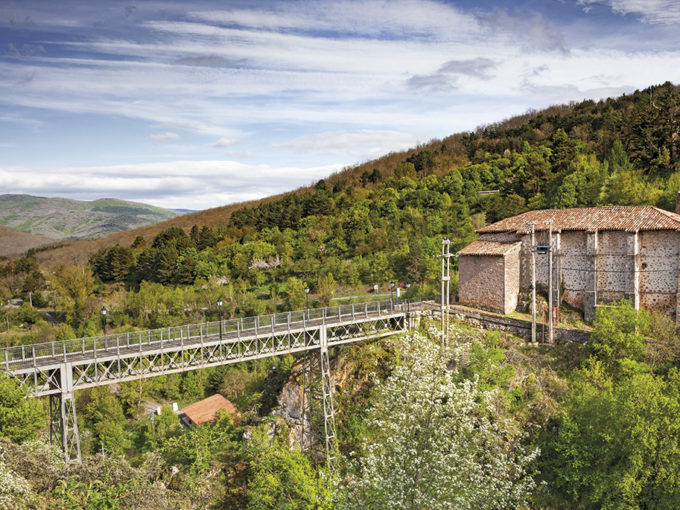
Another bridge from which we can observe magnificent views is the Puente de Hierro (Iron Bridge), which was built in 1910
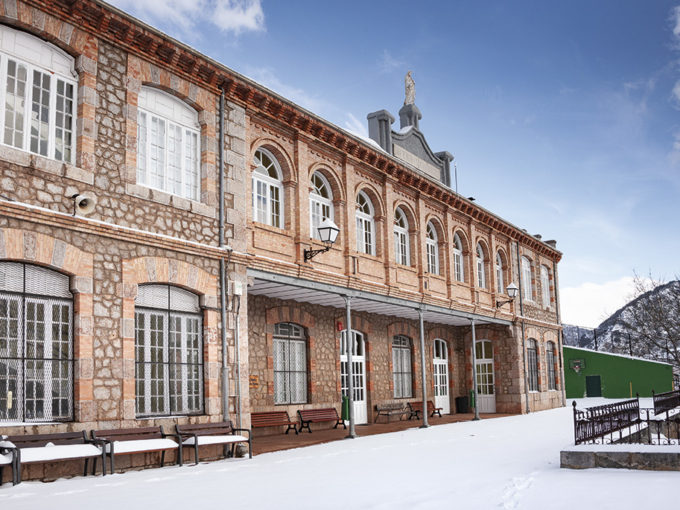
One of the most representative buildings in Nieva is the complex of the Schools, an important educational construction
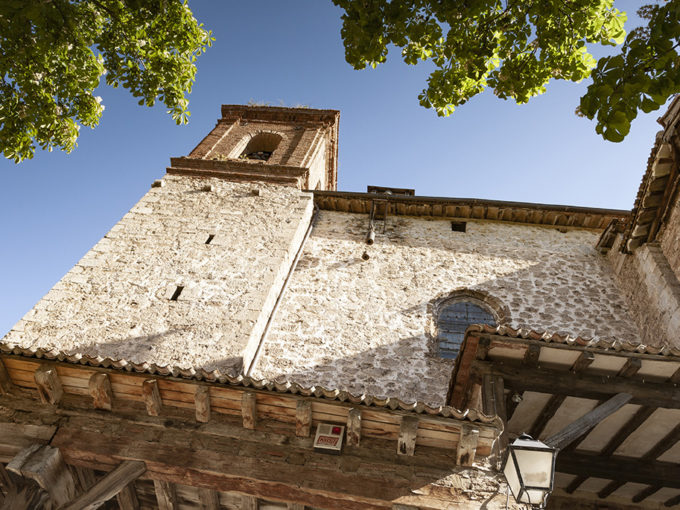
Tradition keeps memories of the temple of the late XVI century, where the Romanesque image of Nª Sª de Castejón
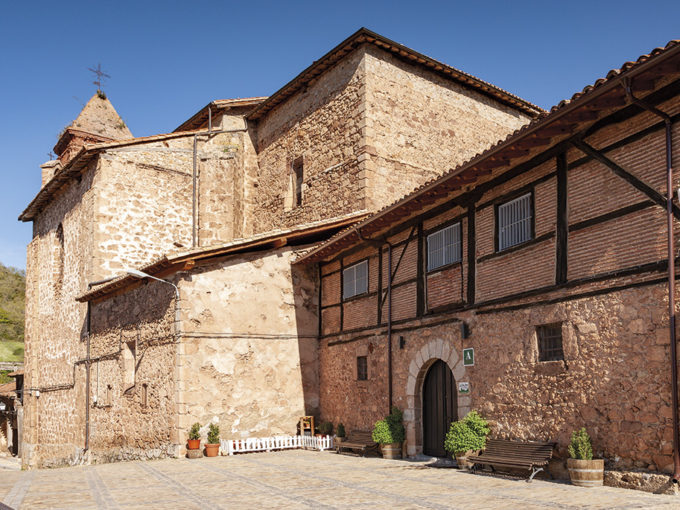
Another important social space is in the highest part of the town and is composed of the whole of the church
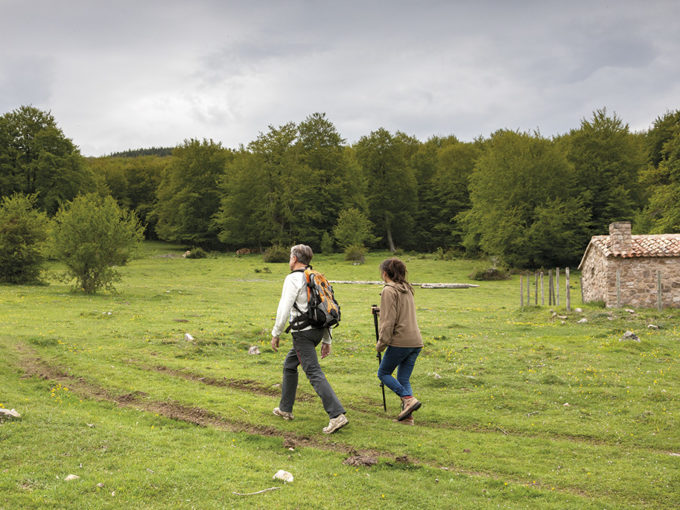
As a memory of an old livestock farm is the Field of Libarache, located just less than one hour of easy walk
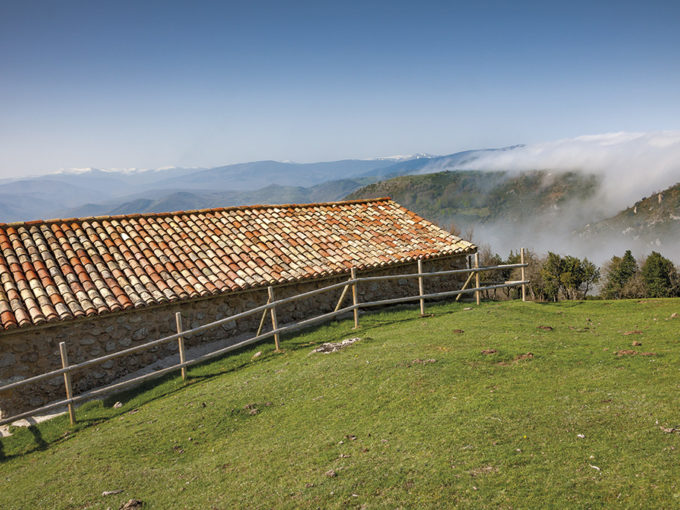
One hour away up to the Serradero, on the way to Castroviejo, we find this chapel that could have been Romanesque
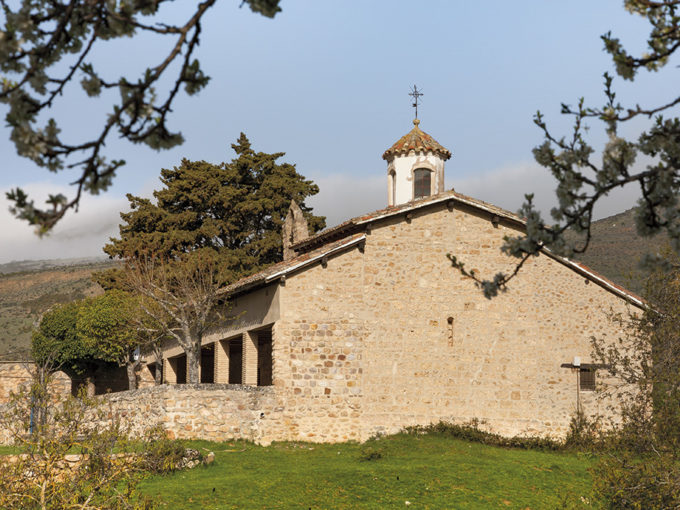
Located on a hill above the village, it is a single-storey building, with three sections and dome in the front
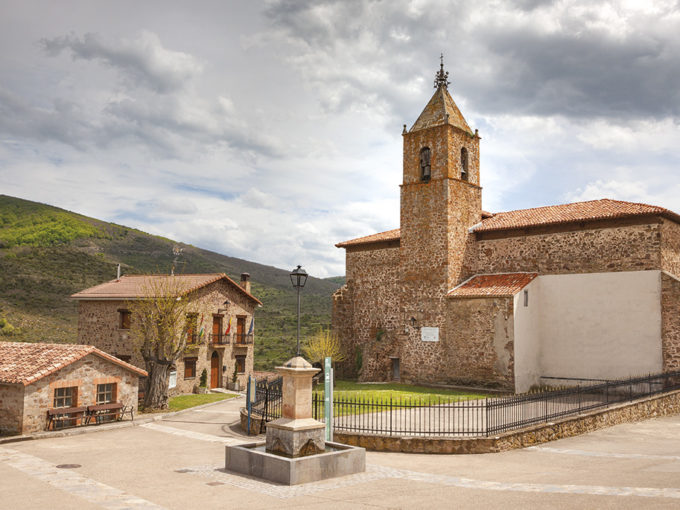
It is located in a fenced enclosure that also contains the pelota court, adjoining the walls of the church
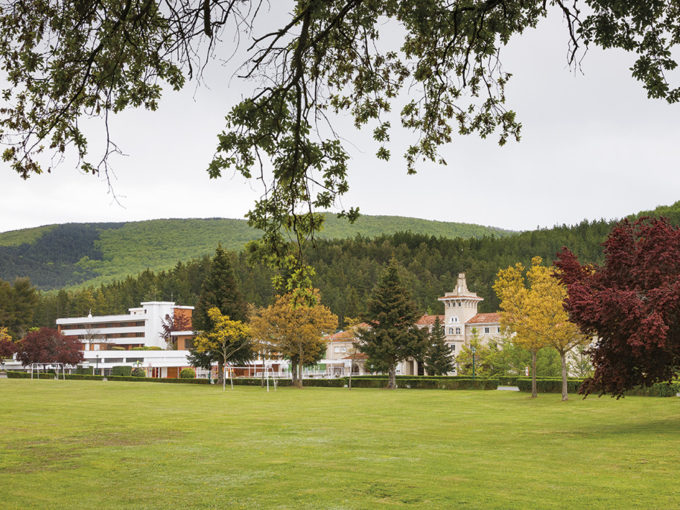
Almarza had two villages, now abandoned: Cocera over the Iregua River, where a house displaying a shield of the Solar de Valdeosera
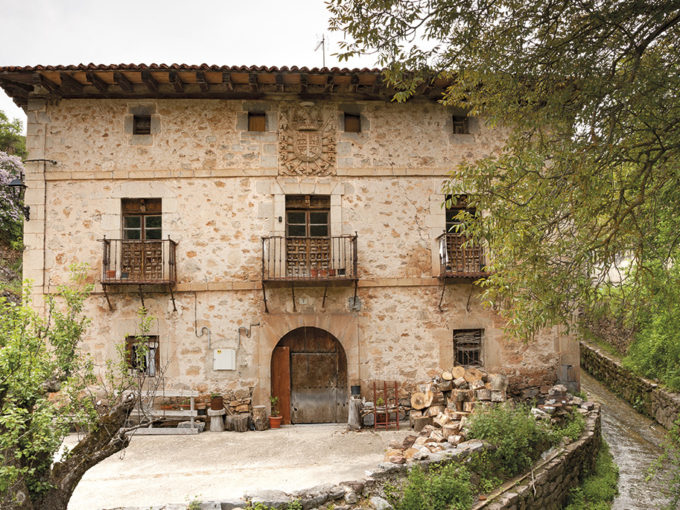
At the entrance of the village, we are received by a stately building, with ashlar big corners
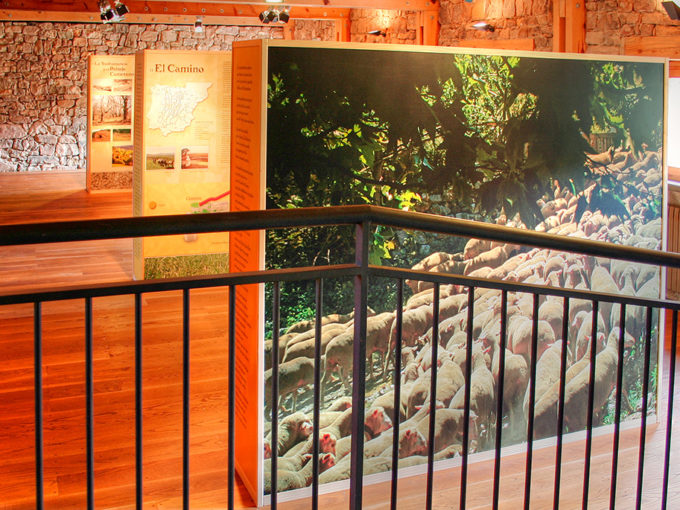
Este espacio divulgativo se centra en la tarea más importante ejercida por los cameranos hasta comienzos del siglo XIX
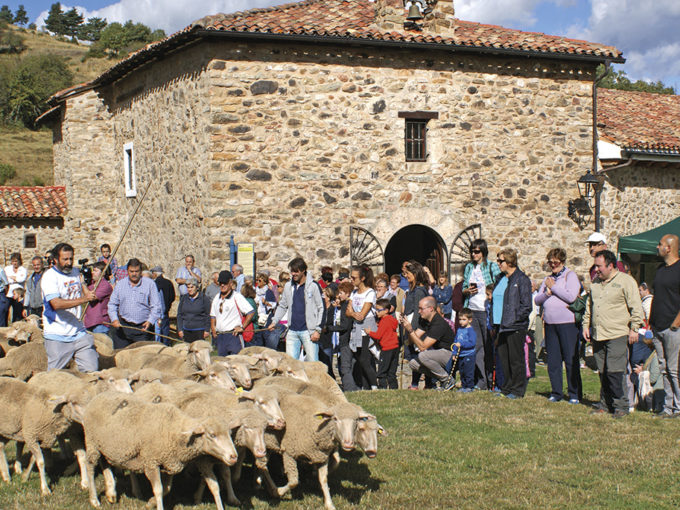
A unos 10 km de Lumbreras se encuentra un singular conjunto compuesto por la Ermita de la Luz, el Centro de Interpretación